

What are the storage conditions for flat bars?
As a flat bar supplier, I understand the critical importance of proper storage conditions for flat bars. Flat bars are versatile steel products widely used in various industries, including construction, manufacturing, and engineering. Ensuring the right storage environment not only maintains the quality of the flat bars but also extends their service life. In this blog, I will delve into the key storage conditions for flat bars and explain why they are essential.
1. Dry Environment
One of the most crucial factors in storing flat bars is to keep them in a dry environment. Moisture is the enemy of steel, as it can lead to rust and corrosion. When flat bars are exposed to moisture, a chemical reaction occurs between the iron in the steel and oxygen in the air, forming iron oxide, which is commonly known as rust. Rust not only affects the appearance of the flat bars but also weakens their structural integrity.
To prevent rusting, flat bars should be stored in a covered area, such as a warehouse or a shed. If outdoor storage is unavoidable, they should be protected with waterproof covers. Additionally, the storage area should be well - ventilated to reduce humidity levels. A relative humidity of less than 60% is generally recommended for storing steel products. You can use dehumidifiers in enclosed storage spaces to maintain the appropriate humidity.
2. Elevated Storage
Flat bars should be stored off the ground to prevent contact with moisture that may accumulate on the floor. Elevating the flat bars can be achieved by using pallets, racks, or supports. This not only protects the bars from ground - level moisture but also allows for better air circulation around the bars, which helps in keeping them dry.
When using pallets, make sure they are in good condition and can support the weight of the flat bars. Racks are also a great option as they can be designed to hold multiple flat bars in an organized manner. The spacing between the bars on the racks should be sufficient to allow air to flow freely.
3. Protection from Chemicals
Flat bars should be stored away from chemicals that can cause corrosion. Chemicals such as acids, alkalis, and salts can react with the steel and accelerate the corrosion process. For example, if flat bars are stored near a chemical storage area where there are spills or fumes, the steel can be damaged.
It is important to identify potential chemical hazards in the storage area and keep the flat bars at a safe distance. If there is a risk of chemical exposure, the flat bars can be coated with a protective layer, such as paint or a corrosion - resistant coating, to provide an additional barrier against chemical attack.
4. Temperature Control
Although flat bars can withstand a wide range of temperatures, extreme temperature fluctuations can have a negative impact on their quality. Rapid changes in temperature can cause expansion and contraction of the steel, which may lead to internal stresses and cracks over time.
In general, it is best to store flat bars in an environment with a relatively stable temperature. Avoid storing them in areas that are subject to direct sunlight for long periods, as this can cause the bars to heat up and then cool down rapidly when the sun goes down. If possible, maintain a temperature range between 10°C and 30°C in the storage area.
5. Organization and Labeling
Proper organization and labeling of flat bars in the storage area are essential for efficient inventory management. By keeping the flat bars organized, it is easier to locate and access the required bars when needed. This also reduces the risk of damage during handling.
Labeling the flat bars with information such as size, grade, and batch number can help in quickly identifying the bars. This is particularly important when dealing with large quantities of flat bars. Additionally, a first - in - first - out (FIFO) system can be implemented to ensure that the oldest stock is used first, reducing the risk of long - term storage issues.
6. Protection from Physical Damage
Flat bars should be protected from physical damage during storage. This includes avoiding impacts, scratches, and dents, which can not only affect the appearance of the bars but also compromise their structural integrity. When stacking flat bars, make sure they are stacked evenly and securely to prevent them from toppling over.
Sharp objects should be kept away from the flat bars to avoid scratches. If the bars are to be moved within the storage area, appropriate handling equipment, such as forklifts or cranes, should be used, and operators should be trained to handle the bars carefully.
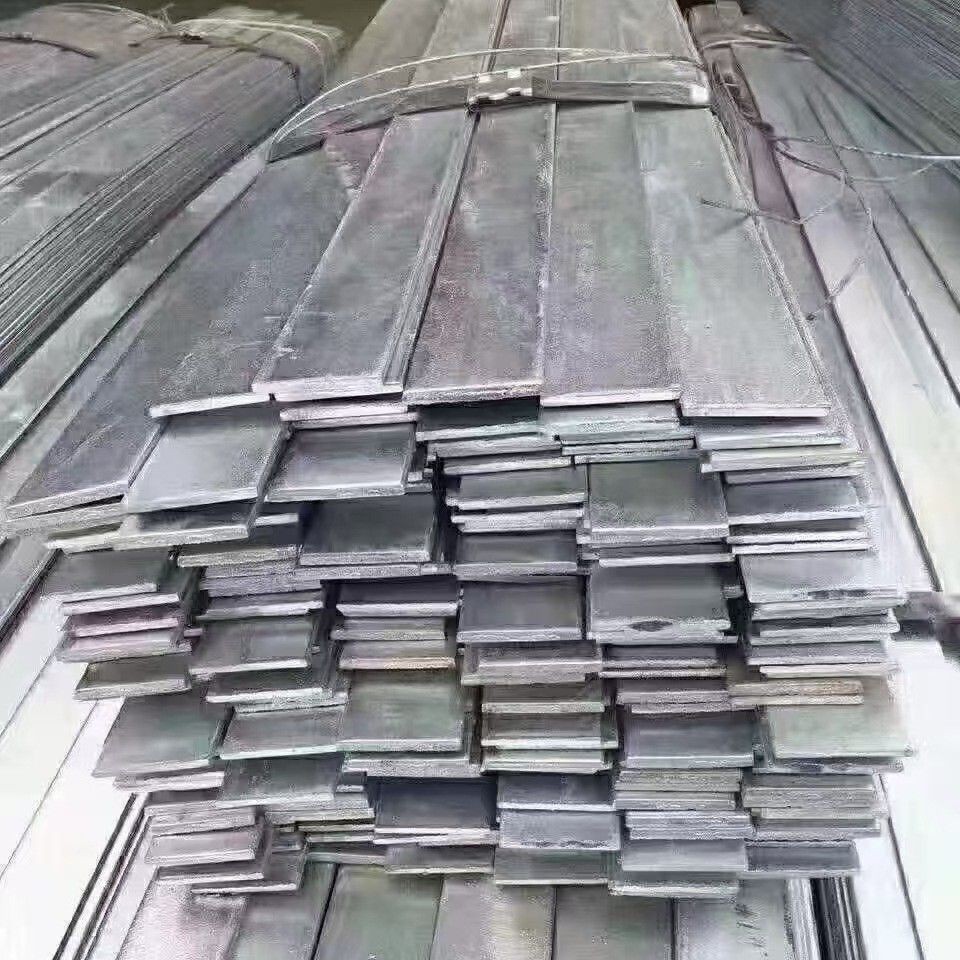

Cold Rolled Steel Flat Bar
If you are interested in Cold Rolled Steel Flat Bar, it is important to note that the storage conditions for cold - rolled flat bars are similar to those for other types of flat bars. Cold - rolled steel has a smoother surface finish and tighter dimensional tolerances, but it is still susceptible to rust and corrosion if not stored properly.
Cold - rolled flat bars may require more careful handling during storage to maintain their surface quality. They should be stored in a clean environment to prevent dirt and debris from scratching the surface. Additionally, the same principles of dry storage, elevation, and protection from chemicals and physical damage apply to cold - rolled steel flat bars.
In conclusion, proper storage conditions for flat bars are essential for maintaining their quality and performance. By following the guidelines of keeping them in a dry, elevated, and chemically - free environment, controlling the temperature, organizing and labeling them, and protecting them from physical damage, you can ensure that your flat bars remain in excellent condition until they are ready for use.
If you are in the market for high - quality flat bars and need more information about our products or storage recommendations, please feel free to contact us for procurement discussions. We are committed to providing you with the best products and services to meet your needs.
References
- "Steel Storage Guidelines" - American Iron and Steel Institute
- "Corrosion Prevention in Steel Products" - NACE International