

Hey there! I'm a supplier of HR coils, and today I wanna have a chat about the environmental impacts of HR coil production. As someone who's in the thick of this industry, I've seen firsthand how the production process can affect our planet. So, let's dive right in and explore these impacts.
Energy Consumption
One of the most significant environmental impacts of HR coil production is the massive amount of energy it consumes. The process starts with heating large slabs of steel to extremely high temperatures, sometimes up to 1200 degrees Celsius. This heating is usually done in reheating furnaces, which burn fossil fuels like coal or natural gas. These fuels release a huge amount of carbon dioxide (CO2) into the atmosphere, contributing to global warming.
The rolling process itself also requires a ton of energy. Powerful rolling mills need to exert a tremendous amount of force to shape the heated steel into coils. All this energy comes from electricity, which in many regions is still generated from non - renewable sources. This continuous demand for energy not only depletes our natural resources but also adds to the carbon footprint of HR coil production.
Air Pollution
Air pollution is another major concern. During the heating and rolling processes, various pollutants are released into the air. For instance, the burning of fossil fuels in reheating furnaces emits not only CO2 but also sulfur dioxide (SO2) and nitrogen oxides (NOx). SO2 can cause acid rain, which damages forests, lakes, and buildings. NOx, on the other hand, contributes to the formation of smog and ground - level ozone, which are harmful to human health and can cause respiratory problems.
In addition, the rolling mills can generate dust and particulate matter. These fine particles can be inhaled deep into the lungs and cause long - term health issues for workers and nearby residents. To learn more about the types of HR coils we offer, check out our Hot Rolled Carbon Steel Coil page.

Water Pollution
Water is a crucial part of the HR coil production process. It's used for cooling the steel during and after the rolling process. However, this water can become contaminated with various substances. For example, it may pick up heavy metals like lead, zinc, and chromium from the steel. These heavy metals are toxic and can have a devastating impact on aquatic life if the water is discharged into rivers, lakes, or the ocean without proper treatment.
Moreover, the water may also contain oil and grease from the machinery. This can form a layer on the water surface, preventing oxygen from dissolving into the water and suffocating fish and other aquatic organisms. We take water pollution seriously and have strict measures in place to treat the water before it's released.
Waste Generation
HR coil production generates a significant amount of waste. There are scrap metals that are produced during the cutting and shaping processes. While some of this scrap can be recycled, a portion of it still ends up in landfills. In addition, there are other types of waste such as slag, which is a by - product of the steel - making process. Slag contains various minerals and metals, and if not properly managed, it can leach harmful substances into the soil and groundwater.
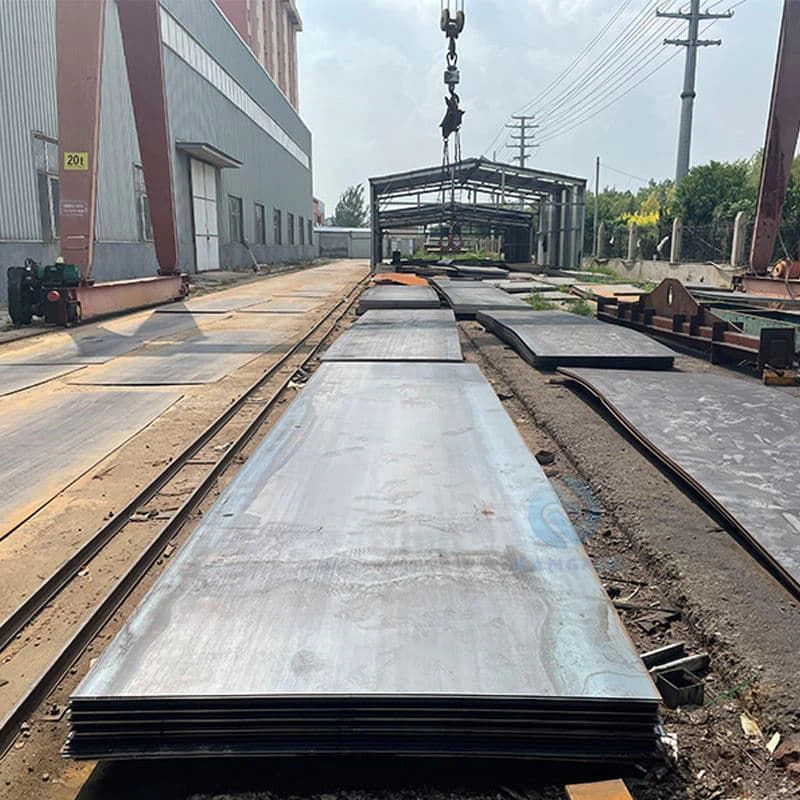
Another form of waste is the packaging materials used to protect the HR coils during transportation. Cardboard, plastic, and wooden pallets are commonly used, and a large amount of these materials end up being discarded after use. You can find different forms of our products on our Hr Coil Plate page.
Mitigating the Environmental Impacts
As an HR coil supplier, we're well aware of these environmental impacts, and we're taking steps to mitigate them. In terms of energy consumption, we're investing in more energy - efficient technologies. For example, we're upgrading our reheating furnaces to use more advanced combustion techniques that can reduce fuel consumption and emissions. We're also exploring the use of renewable energy sources like solar and wind power to meet some of our electricity needs.
To tackle air pollution, we've installed advanced air pollution control systems in our factories. These systems use filters and scrubbers to remove pollutants from the exhaust gases before they're released into the atmosphere. This helps to reduce the amount of CO2, SO2, and NOx emissions.
For water pollution, we have state - of - the - art water treatment plants. These plants are designed to remove heavy metals, oil, and other contaminants from the water used in the production process. The treated water can then be reused in the plant or safely discharged into the environment.
When it comes to waste management, we have a comprehensive recycling program. We recycle as much scrap metal as possible, which not only reduces waste but also conserves natural resources. We're also working on reducing the amount of packaging materials we use and finding more sustainable alternatives.
The Future of HR Coil Production
The future of HR coil production lies in sustainable practices. As consumers become more environmentally conscious, there's a growing demand for eco - friendly products. We're committed to meeting this demand by continuing to improve our environmental performance.
We're also collaborating with other stakeholders in the industry, including suppliers, customers, and research institutions. By sharing knowledge and best practices, we can find new and innovative ways to reduce the environmental impacts of HR coil production.
Why Choose Us?
If you're in the market for HR coils, choosing us as your supplier means you're getting high - quality products with a lower environmental footprint. We've put in a lot of effort to make our production process as sustainable as possible. Our commitment to the environment doesn't compromise the quality of our HR coils. In fact, we use the latest technologies and strict quality control measures to ensure that our products meet the highest standards.
Whether you need Hot Rolled Carbon Steel Coil or Hr Coil Plate, we've got you covered. We offer a wide range of products to meet your specific needs.
Let's Talk!
If you're interested in learning more about our HR coils or have any questions regarding our environmental initiatives, don't hesitate to reach out. We're always happy to have a conversation with potential customers. Whether you're a small business or a large corporation, we're confident that we can provide you with the right HR coils at a competitive price. So, let's start a dialogue and see how we can work together.
References
- "Environmental Impacts of Steel Production." Steel Manufacturing Journal.
- "Sustainable Practices in the Metal Industry." International Metal Research Institute.
- "Reducing Energy Consumption in HR Coil Production." Energy Efficiency Magazine.