

As a supplier of Screw Base Jacks, I understand the importance of anti-corrosion measures for these essential construction tools. Screw Base Jacks are widely used in scaffolding systems to provide support and adjust the height of structures. However, they are often exposed to harsh environmental conditions, which can lead to corrosion and reduce their lifespan. In this blog post, I will discuss several effective anti-corrosion measures that can be taken to protect Screw Base Jacks and ensure their long-term performance.
Understanding the Causes of Corrosion
Before delving into anti-corrosion measures, it is crucial to understand the factors that contribute to corrosion. Corrosion is a natural process that occurs when metals react with oxygen and moisture in the environment. In the case of Screw Base Jacks, several factors can accelerate this process:
- Moisture: Exposure to rain, humidity, or wet working conditions can increase the likelihood of corrosion. Moisture provides the necessary medium for the chemical reactions that lead to rust formation.
- Chemicals: Contact with chemicals such as acids, alkalis, or salts can also cause corrosion. Construction sites may have various chemicals present, including cleaning agents, concrete additives, and industrial pollutants.
- Temperature: Extreme temperatures can affect the rate of corrosion. High temperatures can accelerate chemical reactions, while low temperatures can cause moisture to condense on the surface of the metal.
- Mechanical Damage: Scratches, dents, or other forms of mechanical damage can expose the underlying metal to the environment, making it more susceptible to corrosion.
Anti-Corrosion Measures for Screw Base Jacks
Surface Coating
One of the most common and effective ways to protect Screw Base Jacks from corrosion is by applying a surface coating. There are several types of coatings available, each with its own advantages and disadvantages:
- Paint: Paint is a widely used coating for Screw Base Jacks. It provides a protective barrier between the metal and the environment, preventing moisture and oxygen from reaching the surface. There are different types of paint available, including epoxy, polyurethane, and acrylic. Epoxy paints are known for their excellent adhesion and chemical resistance, making them suitable for harsh environments. Polyurethane paints offer good flexibility and weather resistance, while acrylic paints are more affordable and easy to apply.
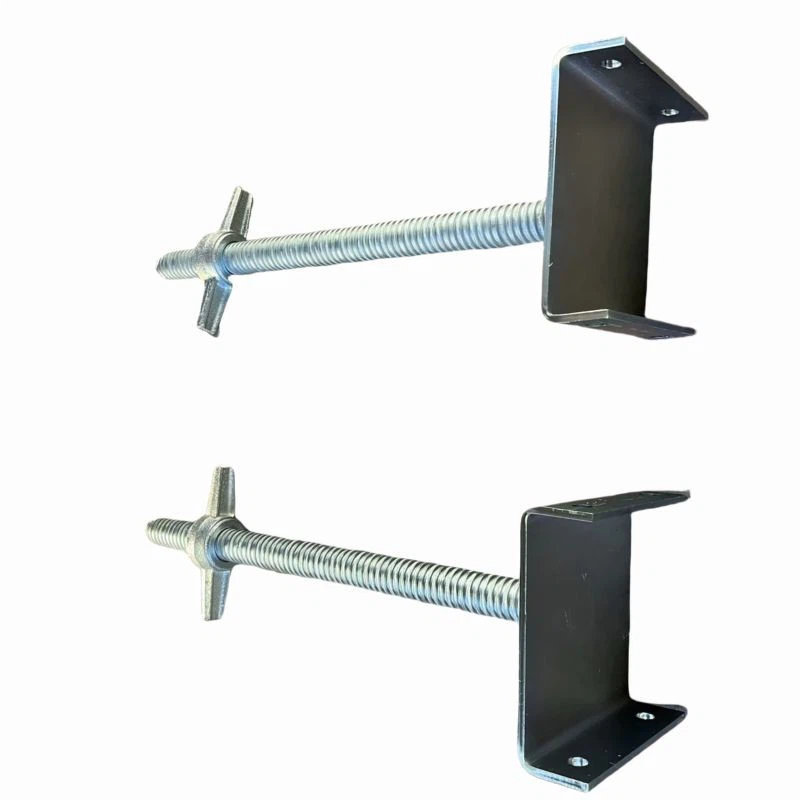
- Galvanizing: Galvanizing is a process in which a layer of zinc is applied to the surface of the metal. Zinc acts as a sacrificial anode, meaning it corrodes before the underlying metal. This provides long-term protection against corrosion, especially in outdoor environments. Hot-dip galvanizing is the most common method of galvanizing, where the Screw Base Jacks are dipped in a bath of molten zinc. Electro-galvanizing is another option, which involves applying a thin layer of zinc through an electrochemical process.
- Powder Coating: Powder coating is a dry finishing process in which a fine powder is electrostatically applied to the surface of the metal and then cured in an oven. The powder forms a hard, durable coating that provides excellent protection against corrosion, abrasion, and chemicals. Powder coating is available in a wide range of colors and finishes, making it a popular choice for aesthetically appealing applications.
Material Selection
The choice of material for Screw Base Jacks can also have a significant impact on their corrosion resistance. While most Screw Base Jacks are made of steel, there are different grades of steel available, each with its own corrosion resistance properties:
- Stainless Steel: Stainless steel is a popular choice for Screw Base Jacks in applications where corrosion resistance is a primary concern. It contains chromium, which forms a passive oxide layer on the surface of the metal, protecting it from corrosion. Stainless steel is available in different grades, with higher grades offering better corrosion resistance. However, stainless steel is more expensive than regular steel, so it may not be suitable for all applications.
- Galvanized Steel: Galvanized steel is another option for Screw Base Jacks. As mentioned earlier, galvanizing involves applying a layer of zinc to the surface of the steel, providing a protective barrier against corrosion. Galvanized steel is more affordable than stainless steel and offers good corrosion resistance in most environments.
- Coated Steel: Coated steel refers to steel that has been treated with a surface coating, such as paint or powder coating. This provides an additional layer of protection against corrosion, making it a cost-effective alternative to stainless steel.
Proper Storage and Handling
Proper storage and handling of Screw Base Jacks can also help prevent corrosion. Here are some tips to keep in mind:
- Store in a Dry Place: Screw Base Jacks should be stored in a dry, well-ventilated area to prevent moisture from accumulating on the surface. If possible, store them indoors or under a shelter.
- Avoid Contact with Chemicals: Keep Screw Base Jacks away from chemicals that can cause corrosion, such as acids, alkalis, and salts. If they come into contact with chemicals, rinse them thoroughly with water and dry them immediately.
- Protect from Mechanical Damage: Handle Screw Base Jacks with care to avoid scratches, dents, or other forms of mechanical damage. Use appropriate lifting equipment and avoid dropping or hitting them against hard surfaces.
- Regular Inspection and Maintenance: Regularly inspect Screw Base Jacks for signs of corrosion or damage. If any issues are detected, take appropriate measures to address them, such as repairing or replacing the affected parts.
Environmental Control
In some cases, it may be possible to control the environment in which Screw Base Jacks are used to reduce the risk of corrosion. Here are some strategies to consider:
- Use Dehumidifiers: In areas with high humidity, using dehumidifiers can help reduce the moisture content in the air, preventing condensation on the surface of the Screw Base Jacks.
- Provide Adequate Ventilation: Ensure that the work area is well-ventilated to allow air to circulate and prevent the buildup of moisture and chemicals.
- Clean and Maintain the Work Area: Keep the work area clean and free of debris, chemicals, and other contaminants that can cause corrosion. Regularly sweep and wash the area to remove any dirt or dust.
Conclusion
Corrosion is a common problem that can affect the performance and lifespan of Screw Base Jacks. However, by taking appropriate anti-corrosion measures, such as surface coating, material selection, proper storage and handling, and environmental control, it is possible to protect these essential construction tools and ensure their long-term reliability. As a supplier of Screw Base Jack, I am committed to providing high-quality products that are designed to withstand the rigors of the construction industry. If you have any questions or need further information about anti-corrosion measures for Screw Base Jacks, please feel free to contact me. I would be happy to discuss your specific requirements and provide you with the best solutions for your needs. Whether you are looking for Scaffolding U Head Jack Base or Swivel Scaffold Jacks, I am here to assist you. Let's work together to ensure the success of your construction projects.

References
- ASM Handbook, Volume 13A: Corrosion: Fundamentals, Testing, and Protection. ASM International.
- Corrosion Basics: An Introduction. NACE International.
- Steel Construction Manual. American Institute of Steel Construction.