

Hey there! As an angle iron supplier, I often get asked about the impact resistance of angle iron. It's a crucial factor that many customers consider when choosing this versatile construction material. So, let's dive into what impact resistance really means for angle iron and how it can affect your projects.
What is Impact Resistance?
First off, let's understand what impact resistance is. Impact resistance refers to a material's ability to withstand sudden forces or shocks without breaking, cracking, or deforming significantly. In the context of angle iron, it's a measure of how well it can handle things like collisions, heavy loads dropped on it, or other sudden impacts.
When you're using angle iron in construction, industrial applications, or even DIY projects, the last thing you want is for it to fail under pressure. That's where good impact resistance comes in handy. It ensures that your angle iron can hold up under stress and keep your structures safe and stable.
Factors Affecting the Impact Resistance of Angle Iron
There are several factors that can influence the impact resistance of angle iron. Let's take a closer look at some of the most important ones.
Material Composition
The type of steel used to make the angle iron plays a huge role in its impact resistance. Different grades of steel have different properties, including their ability to absorb and distribute energy from impacts. For example, high - strength low - alloy (HSLA) steels are known for their excellent combination of strength and toughness. They can withstand greater impacts compared to regular carbon steels. As a supplier, I always make sure to offer a range of angle iron grades so that customers can choose the one that best suits their needs.
Heat Treatment
Heat treatment is another important factor. Processes like quenching and tempering can significantly improve the hardness and toughness of angle iron, thus enhancing its impact resistance. Quenching involves rapidly cooling the heated angle iron, which hardens the steel. Then, tempering at a lower temperature helps to relieve internal stresses and improve the steel's toughness. This combination of heat treatments can make the angle iron more resistant to impacts.
Thickness and Size
The thickness of the angle iron also matters a great deal. Generally, thicker angle iron has better impact resistance than thinner ones. A thicker cross - section can absorb more energy from an impact without deforming. Similarly, the size of the angle iron, such as the length of its legs, can affect how it distributes the impact force. Larger angle irons may be able to handle more substantial impacts because they have more material to spread the load.
Applications and the Need for Impact Resistance
Now, let's talk about some common applications where the impact resistance of angle iron is crucial.
Construction
In construction, angle iron is used for a variety of purposes, such as framing, bracing, and support. In buildings, it may be used to reinforce corners or provide structural support for floors and walls. When a building is subjected to external forces like earthquakes, strong winds, or even accidental collisions, the angle iron needs to have good impact resistance to prevent the structure from collapsing. For example, in earthquake - prone areas, using high - impact - resistant angle iron can make a building more resilient.
Industrial Machinery
In industrial settings, angle iron is often used in the construction of machinery frames and supports. These machines may be subject to vibrations, sudden starts and stops, or even accidental impacts during operation. If the angle iron used in the machinery doesn't have adequate impact resistance, it could lead to mechanical failures and costly downtime. So, choosing the right angle iron with high impact resistance is essential for the smooth running of industrial operations.
DIY Projects
Even in DIY projects, impact resistance can be important. For instance, if you're building a homemade workbench or a storage rack, the angle iron you use should be able to withstand the weight of the items placed on it and any accidental bumps or knocks. You don't want your hard - work to come crashing down because the angle iron couldn't handle the stress.
Our Offerings: Black Powder Coated Angle Iron
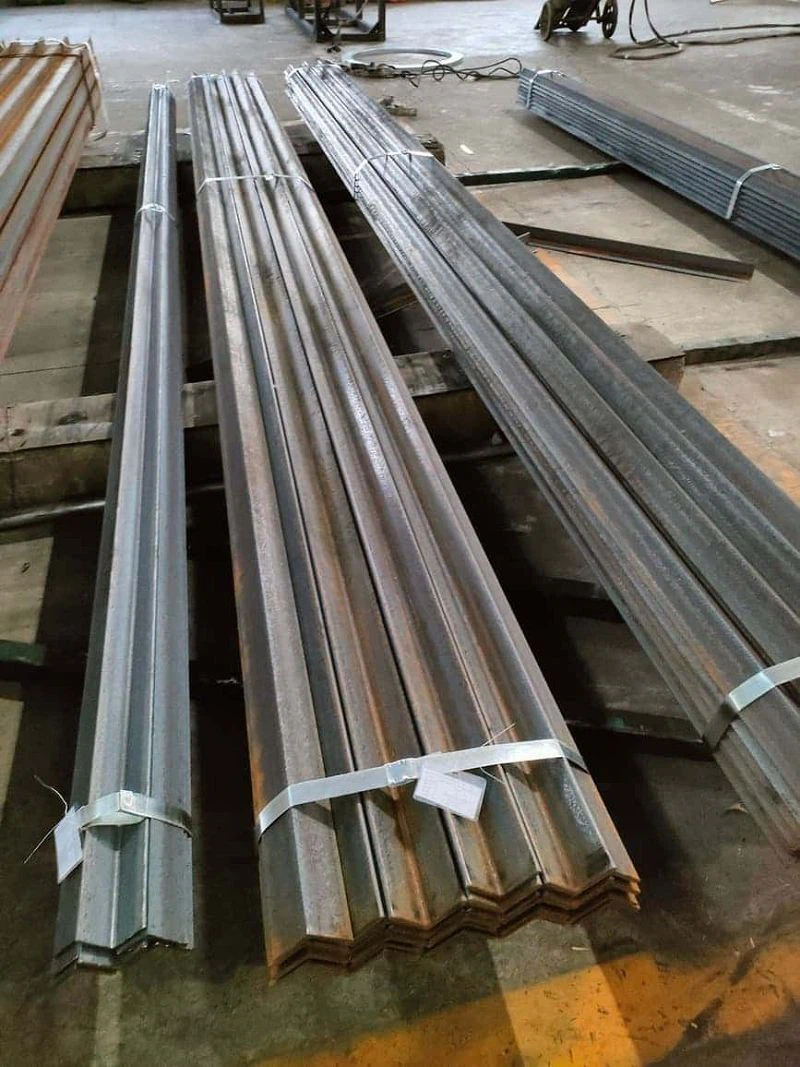
At our supply business, we offer a great option for those looking for high - quality angle iron: Black Powder Coated Angle Iron. This type of angle iron not only has good impact resistance due to its quality steel construction but also comes with the added benefit of a protective black powder coating.
The powder coating serves multiple purposes. Firstly, it provides a layer of protection against corrosion, which can weaken the angle iron over time and reduce its impact resistance. Secondly, it gives the angle iron a sleek and professional look, making it suitable for both indoor and outdoor applications where aesthetics matter.
How to Evaluate Impact Resistance
If you're a customer trying to evaluate the impact resistance of angle iron, here are some tips.
Check the Manufacturer's Specifications
Most manufacturers provide technical specifications for their angle iron, which may include information about impact resistance. Look for details like the steel grade, heat treatment, and any relevant industry standards the angle iron meets. This will give you a good idea of its expected performance under impact.
Request Samples
If possible, ask for samples of the angle iron. You can conduct simple tests on the samples to get a feel for their strength and toughness. For example, you could try applying a small amount of force or dropping a light weight on the sample at a controlled height to see how it responds.
Conclusion
So, in a nutshell, the impact resistance of angle iron is a vital characteristic that can make or break your projects. Whether you're working on a large - scale construction project, an industrial application, or a simple DIY job, choosing angle iron with good impact resistance is essential for safety and durability.
As a trusted angle iron supplier, we're here to help you find the right angle iron for your needs. If you're interested in learning more about our products, including the Black Powder Coated Angle Iron, or if you have any questions about impact resistance or other properties of angle iron, don't hesitate to reach out. We're always happy to have a chat and help you make the best choice for your project. Let's start a conversation and see how we can work together to get the job done right!
References
- "Steel Construction Manual", American Institute of Steel Construction
- "Materials Science and Engineering: An Introduction", William D. Callister Jr. and David G. Rethwisch