

What is the hardness of angle iron?
As an angle iron supplier, I've encountered numerous inquiries regarding the hardness of angle iron. Understanding the hardness of angle iron is crucial for various applications, as it directly impacts its performance and durability. In this blog, I'll delve into the concept of angle iron hardness, factors influencing it, and its significance in real - world scenarios.
Defining Hardness
Hardness, in the context of materials like angle iron, refers to the material's ability to resist deformation, indentation, or scratching. It is one of the most important mechanical properties, which is closely related to other properties such as strength, wear resistance, and machinability. There are several methods to measure the hardness of angle iron, with the most common being the Brinell, Rockwell, and Vickers hardness tests.
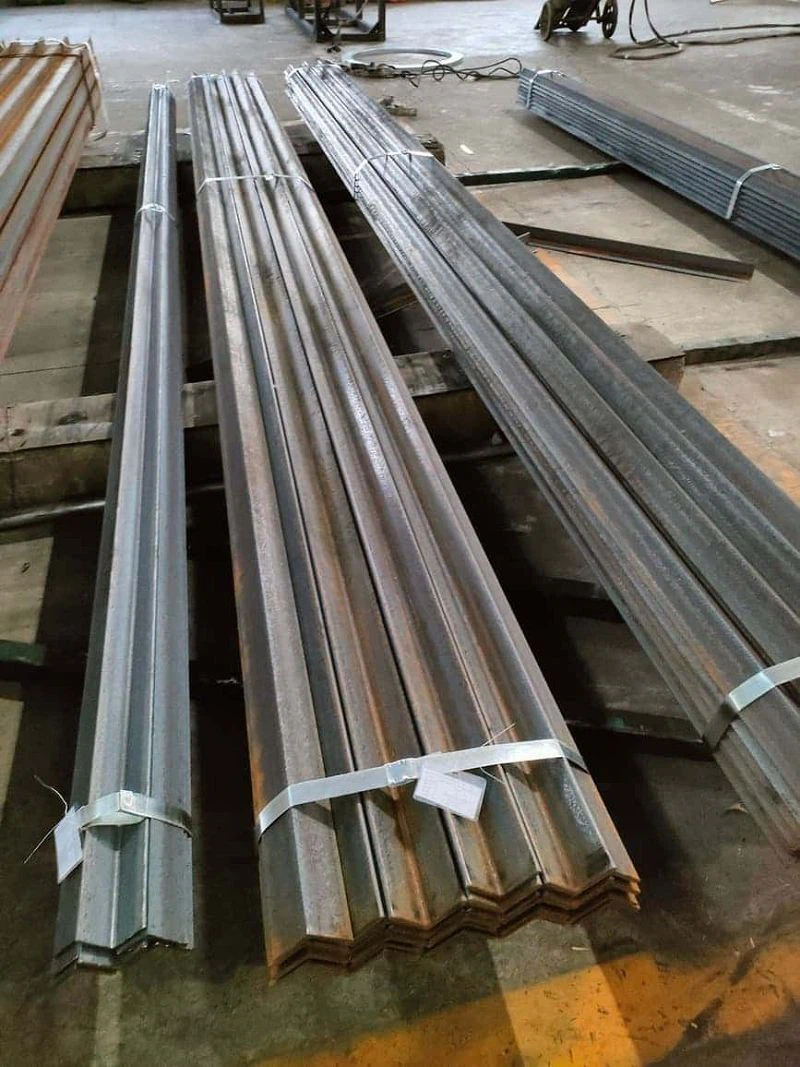

The Brinell hardness test involves pressing a hardened steel or carbide ball into the surface of the angle iron under a specific load for a certain period. The diameter of the resulting indentation is then measured, and the Brinell hardness number (BHN) is calculated. This test is suitable for measuring the hardness of relatively large - grained and rough - surfaced materials, which is often the case for angle iron.
The Rockwell hardness test is another popular method. It measures the depth of penetration of an indenter into the material under a minor load, followed by a major load. The difference in depth is used to determine the Rockwell hardness value. The Rockwell test is quick and easily carried out, making it a common choice in industrial settings.
The Vickers hardness test uses a diamond indenter in the form of a square - based pyramid. A load is applied to the indenter, which presses into the angle - iron surface, and the size of the resulting diamond - shaped indentation is measured to calculate the Vickers hardness number (HV). This test is very accurate and can be used for a wide range of materials and hardness levels.
Factors Affecting Angle Iron Hardness
The hardness of angle iron is influenced by several factors. First and foremost is the chemical composition of the steel used to make the angle iron. Angle iron is typically made from carbon steel, which contains varying amounts of carbon, manganese, and other elements. Carbon, in particular, has a significant impact on hardness. As the carbon content increases, the hardness of the angle iron also increases. However, higher carbon content can also lead to reduced ductility and increased brittleness.
Manganese is another important element. It helps to improve the strength and hardness of the steel by forming manganese sulfides, which prevent the formation of harmful iron sulfides. Other alloying elements such as chromium, nickel, and molybdenum can be added to the steel to enhance its hardness, corrosion resistance, and other properties.
The manufacturing process also plays a vital role in determining the hardness of angle iron. Hot - rolling is a common manufacturing method for angle iron. During hot - rolling, the steel is heated above its recrystallization temperature and then shaped into the desired angle. The cooling rate after hot - rolling can affect the hardness. A faster cooling rate generally results in a harder structure, while a slower cooling rate leads to a softer, more ductile material.
Heat treatment is another process that can be used to alter the hardness of angle iron. Processes such as quenching and tempering can significantly increase the hardness. Quenching involves rapidly cooling the heated angle iron in a liquid medium such as water or oil. This causes a phase transformation in the steel, resulting in a hard and brittle martensite structure. Tempering is then carried out to reduce the brittleness and improve the toughness of the quenched angle iron.
Importance of Hardness in Angle Iron Applications
The hardness of angle iron is of great importance in different applications. In construction, angle iron is commonly used for structural support. A hard angle iron can better withstand the loads and stresses imposed on it, ensuring the stability and safety of the structure. For example, in building frames, hard angle iron can resist deformation under the weight of the building, preventing collapse or structural failure.
In manufacturing, angle iron is often used for machinery frames and fixtures. A high - hardness angle iron is more resistant to wear and damage from moving parts and other mechanical forces. This helps to extend the service life of the machinery and reduce maintenance costs.
In decorative applications, the hardness affects the appearance and durability of the angle iron. Harder angle iron is less likely to be scratched or dented, maintaining its aesthetic appeal over time. For example, Black Powder Coated Angle Iron is often used in architectural and decorative projects, and its hardness ensures that the coating adheres well and the angle iron retains its shape and finish.
Selecting the Right Hardness for Your Needs
When choosing angle iron, it's essential to select the appropriate hardness based on your specific application. If the angle iron is to be used in a high - stress structural application, a harder angle iron with a higher carbon content or one that has undergone heat treatment may be required. On the other hand, if the angle iron needs to be easily machined or formed, a softer material may be more suitable.
As a professional angle iron supplier, I have a wide range of angle iron products with different hardness levels to meet the diverse needs of our customers. Whether you need a hard and strong angle iron for heavy - duty construction or a more malleable one for light - duty manufacturing, we can provide you with the right solution.
Contact Us for Your Angle Iron Needs
If you're in the market for angle iron and have questions about hardness or other properties, don't hesitate to reach out to us. We have a team of experts who can provide you with detailed information and guidance on choosing the best angle iron for your project. We can also offer competitive prices and high - quality products to ensure your satisfaction. Start a conversation with us today to discuss your angle iron requirements and let us help you find the perfect solution.
References
- Callister, W. D., & Rethwisch, D. G. (2018). Materials Science and Engineering: An Introduction. Wiley.
- ASM Handbook Committee. (1990). ASM Handbook: Volume 8: Mechanical Testing and Evaluation. ASM International.