

Hey there! As an H-beam supplier, I've been getting a lot of questions lately about the connection methods between H beams and columns. It's a crucial topic, especially for those in the construction and engineering fields. So, I thought I'd share some insights on the different ways to connect these structural elements.
Welded Connections
One of the most common and reliable ways to connect H beams to columns is through welding. Welding creates a strong, permanent bond between the two components. When you weld an H beam to a column, you're essentially fusing them together at a molecular level. This results in a connection that can withstand high loads and stresses.
There are different types of welds you can use for this purpose. Fillet welds are often used to connect the flanges of the H beam to the column. They're relatively easy to perform and can provide good strength. Another option is the groove weld, which is used when you need a more robust connection. Groove welds are typically used for the web of the H beam and the column.
The advantage of welded connections is their high strength and rigidity. They can transfer large loads and moments effectively. However, welding also has its drawbacks. It requires skilled labor and proper equipment. Welding can also introduce residual stresses into the structure, which may need to be addressed through post-weld heat treatment.
Bolted Connections
Bolted connections are another popular method for connecting H beams to columns. Bolts offer a more flexible and reversible connection compared to welding. You can easily disassemble and reassemble the structure if needed, which is useful for maintenance or modifications.
There are different types of bolts you can use, such as high-strength bolts and ordinary bolts. High-strength bolts are designed to provide a higher level of strength and are often used in critical applications. Ordinary bolts, on the other hand, are more commonly used for less demanding connections.
When using bolted connections, you need to ensure proper alignment and tightening of the bolts. Loose bolts can lead to a weak connection and potential failure. You also need to consider the type of washers and nuts to use, as they can affect the performance of the connection.
The advantage of bolted connections is their ease of installation and disassembly. They also allow for some degree of adjustment during the construction process. However, bolted connections may not be as strong as welded connections, especially under high loads and dynamic forces.
Moment Connections
Moment connections are used when you need to transfer both shear forces and bending moments between the H beam and the column. These connections are typically more complex and require careful design and detailing.
One type of moment connection is the fully restrained connection, which provides maximum resistance to bending moments. This type of connection is often used in high-rise buildings and other structures where lateral stability is critical. Another type of moment connection is the partially restrained connection, which provides some degree of flexibility while still transferring significant bending moments.
Moment connections can be achieved through a combination of welding and bolting. For example, you can use welded plates and bolts to create a moment connection between the H beam and the column. The design of moment connections requires a thorough understanding of structural mechanics and engineering principles.
Shear Connections
Shear connections are used to transfer shear forces between the H beam and the column. These connections are typically simpler and less expensive compared to moment connections.
One common type of shear connection is the single-plate shear connection, which uses a single plate to connect the web of the H beam to the column. Another type of shear connection is the double-plate shear connection, which provides additional strength and stiffness.
Shear connections can be achieved through welding or bolting. The choice of connection method depends on the specific requirements of the project, such as the magnitude of the shear forces and the type of structure.
Choosing the Right Connection Method
When choosing the right connection method between H beams and columns, there are several factors to consider. These factors include the type of structure, the magnitude of the loads and forces, the design requirements, and the cost.
For example, if you're building a high-rise building, you may need to use moment connections to ensure the lateral stability of the structure. On the other hand, if you're building a simple warehouse, shear connections may be sufficient.
It's also important to consider the availability of skilled labor and equipment. Welding requires skilled welders and proper welding equipment, while bolting can be performed by less skilled workers using basic tools.
In addition, you need to consider the cost of the connection method. Welding is generally more expensive than bolting, especially for large-scale projects. However, the cost of the connection method should be balanced against the long-term performance and durability of the structure.
Conclusion
In conclusion, there are several connection methods available for connecting H beams to columns, each with its own advantages and disadvantages. The choice of connection method depends on the specific requirements of the project, such as the type of structure, the magnitude of the loads and forces, the design requirements, and the cost.
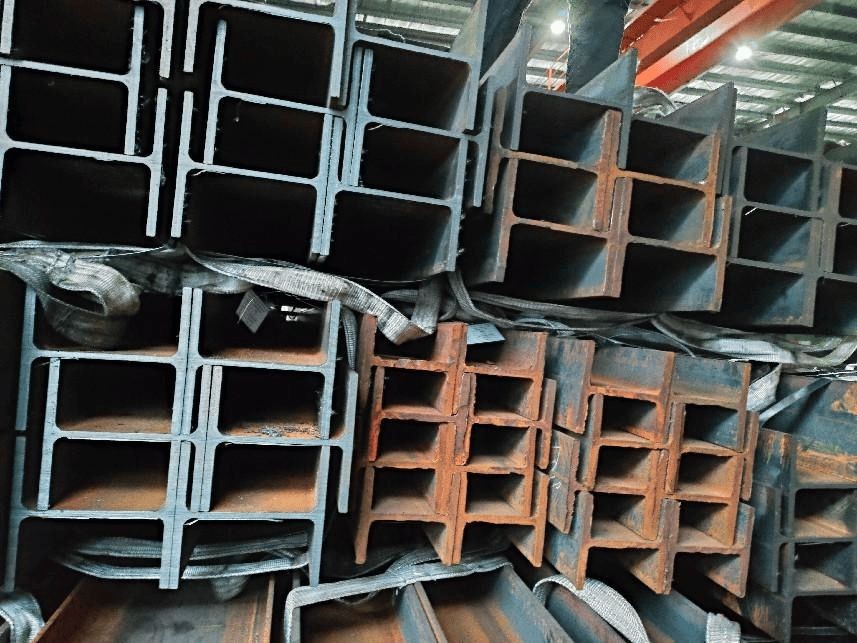

As an H-beam supplier, I can provide you with high-quality H beams and offer advice on the best connection methods for your project. If you're interested in learning more about H beams and their connection methods, you can visit our website H Section Steel Beams.
If you have any questions or need further information, please don't hesitate to contact me. I'm always happy to help with your H-beam needs and discuss potential procurement opportunities. Let's work together to make your construction project a success!
References
- "Steel Construction Manual," American Institute of Steel Construction (AISC).
- "Structural Steel Design," Jack C. McCormac and Russell H. Brown.
- "Design of Steel Structures," S. K. Duggal.