

Hey there! I'm an angle iron supplier, and I've been in this business for quite a while. Over the years, I've seen all sorts of angle iron, from the good to the bad. In this blog, I'm gonna talk about the common defects in angle iron that you should watch out for.
Surface Defects
One of the most obvious defects you can find in angle iron is surface defects. These can range from minor scratches and dents to more serious issues like rust and scale.
Scratches and Dents
Scratches and dents are pretty common, especially if the angle iron has been mishandled during transportation or storage. Minor scratches might not affect the structural integrity of the angle iron, but they can still be a problem if you're using it for a project where appearance matters. For example, if you're making a piece of furniture or a decorative structure, scratches can make the final product look shabby.
Dents, on the other hand, can be more of a concern. If a dent is deep enough, it can weaken the angle iron and make it more prone to failure under stress. When you're inspecting angle iron, pay close attention to any dents, and if you're unsure whether they're a problem, it's best to consult a professional.
Rust and Scale
Rust and scale are also common surface defects. Rust is caused by the oxidation of iron, and it can eat away at the metal over time. Scale, on the other hand, is a hard, flaky deposit that forms on the surface of the angle iron during the manufacturing process.
If you see rust on angle iron, it's important to determine how severe it is. Light surface rust can sometimes be removed with a wire brush and a rust converter, but if the rust has penetrated deep into the metal, the angle iron might need to be replaced. Scale can also be a problem, as it can make it difficult to paint or coat the angle iron properly.
Dimensional Defects
Another type of defect in angle iron is dimensional defects. These occur when the angle iron doesn't meet the specified dimensions.
Incorrect Thickness
The thickness of angle iron is an important factor, as it affects its strength and load-bearing capacity. If the angle iron is too thin, it might not be able to support the weight it's supposed to, which can lead to structural failure. On the other hand, if it's too thick, it can be heavier and more expensive than necessary.

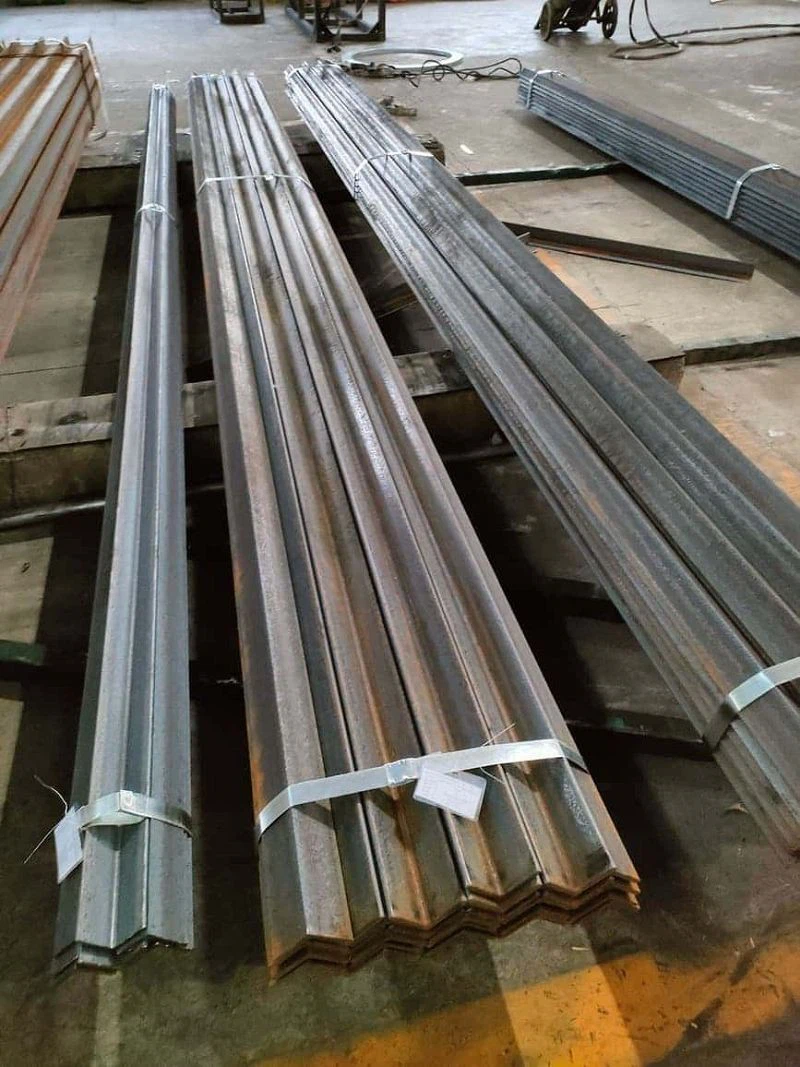
When you're buying angle iron, make sure to check the thickness with a caliper or a micrometer. If the thickness is off by more than the acceptable tolerance, it's a sign of a dimensional defect.
Uneven Leg Lengths
Angle iron has two legs, and they should be of equal length. If one leg is longer than the other, it can cause problems when you're trying to install the angle iron. For example, it might not fit properly in a frame or a structure, which can lead to misalignment and instability.
To check for uneven leg lengths, you can use a ruler or a measuring tape. If the difference in leg lengths is significant, it's best to reject the angle iron.
Material Defects
Material defects are less common than surface and dimensional defects, but they can still be a serious problem. These defects are caused by issues with the raw materials or the manufacturing process.
Inclusions
Inclusions are foreign materials that are trapped inside the angle iron during the manufacturing process. These can include things like slag, sand, or other impurities. Inclusions can weaken the angle iron and make it more prone to cracking and failure.
To detect inclusions, you might need to use non-destructive testing methods, such as ultrasonic testing or magnetic particle testing. If inclusions are found, it's usually best to replace the angle iron.
Poor Weld Quality
If the angle iron has been welded, the quality of the weld is crucial. A poor-quality weld can have defects like porosity, lack of fusion, or cracks. These defects can weaken the joint and make the angle iron more likely to fail under stress.
When inspecting welded angle iron, look for signs of a good weld, such as a smooth, uniform bead and no visible cracks or holes. If you're unsure about the quality of the weld, it's best to have it tested by a professional.
How to Avoid Defective Angle Iron
As a supplier, I know how important it is to provide high-quality angle iron to my customers. Here are some tips on how to avoid defective angle iron:
- Buy from a Reputable Supplier: Look for a supplier with a good reputation and a track record of providing high-quality products. A reliable supplier will have strict quality control measures in place to ensure that the angle iron they sell meets the required standards.
- Inspect the Angle Iron Carefully: Before you accept the angle iron, take the time to inspect it thoroughly. Look for surface defects, dimensional defects, and any other signs of damage or poor quality.
- Ask for Certifications: A good supplier should be able to provide you with certifications that prove the quality of the angle iron. These certifications can include things like material test reports and quality control certificates.
Conclusion
In conclusion, there are several common defects in angle iron that you should be aware of. Surface defects, dimensional defects, and material defects can all affect the quality and performance of the angle iron. By being vigilant and following the tips I've mentioned, you can avoid buying defective angle iron and ensure that your projects are a success.
If you're in the market for high-quality angle iron, Black Powder Coated Angle Iron is a great option. It offers a durable and attractive finish that can withstand the elements.
If you have any questions or if you're interested in purchasing angle iron, don't hesitate to reach out. I'm here to help you find the right product for your needs.
References
- "Steel Construction Manual," American Institute of Steel Construction
- "Metallurgy for the Non-Metallurgist," ASM International