

When embarking on a construction or DIY project, one of the crucial decisions you'll face is choosing the right angle iron. As an experienced angle iron supplier, I've seen firsthand how the correct selection can make or break a project. In this blog post, I'll guide you through the key factors to consider when choosing angle iron, ensuring that you make an informed decision that meets your project's specific needs.
Understanding Angle Iron
Angle iron, also known as angle steel, is a versatile structural steel product with an L-shaped cross-section. It is commonly used in construction, manufacturing, and DIY projects due to its strength, durability, and affordability. Angle iron is available in various sizes, thicknesses, and materials, each suited for different applications.
Factors to Consider When Choosing Angle Iron
1. Material
The material of the angle iron is a critical factor that determines its strength, corrosion resistance, and suitability for different environments. The most common materials used for angle iron are:
- Mild Steel: Mild steel angle iron is the most widely used type due to its affordability and versatility. It is suitable for general construction and DIY projects where strength and durability are required. However, mild steel is prone to rust and corrosion, so it may need to be painted or coated for outdoor use.
- Stainless Steel: Stainless steel angle iron offers excellent corrosion resistance, making it ideal for applications in harsh environments or where hygiene is a concern. It is more expensive than mild steel but provides long-term durability and requires minimal maintenance.
- Galvanized Steel: Galvanized angle iron is coated with a layer of zinc to protect it from rust and corrosion. It is a cost-effective alternative to stainless steel and is suitable for outdoor applications where exposure to moisture is expected.
2. Size and Thickness
The size and thickness of the angle iron depend on the specific requirements of your project. The size of angle iron is typically specified by the length of its legs and the thickness of the material. For example, a 2x2x1/8 angle iron has legs that are 2 inches long and a thickness of 1/8 inch.

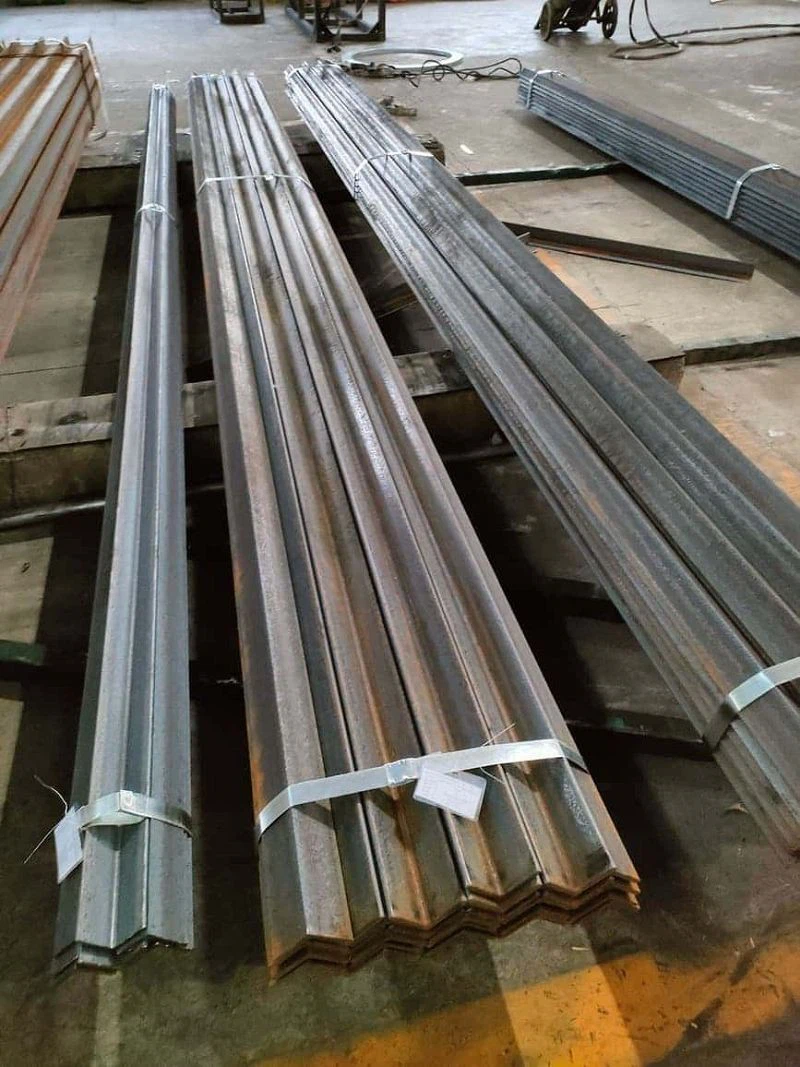
- Load Capacity: Consider the load that the angle iron will need to support. Heavier loads require thicker and larger angle iron to ensure structural integrity.
- Space Constraints: Take into account the available space in your project. If you have limited space, you may need to choose a smaller size of angle iron.
- Aesthetic Considerations: In some cases, the appearance of the angle iron may be important. You may want to choose a size and thickness that complements the overall design of your project.
3. Finish
The finish of the angle iron can affect its appearance, corrosion resistance, and durability. Common finishes for angle iron include:
- Black Powder Coated: A Black Powder Coated Angle Iron provides a smooth, durable finish that is resistant to scratches and corrosion. It is a popular choice for both indoor and outdoor applications.
- Galvanized Finish: As mentioned earlier, galvanized angle iron is coated with zinc to protect it from rust and corrosion. The galvanized finish gives the angle iron a shiny, metallic appearance.
- Painted Finish: Painting the angle iron can provide additional protection against corrosion and allow you to customize the color to match your project.
4. Application
The intended application of the angle iron is another important factor to consider. Different applications may require specific properties and characteristics of the angle iron.
- Structural Support: If the angle iron will be used for structural support, such as in a building frame or a bridge, it must meet the relevant building codes and standards. You may need to consult with a structural engineer to ensure that the angle iron is suitable for the load and stress requirements of the project.
- Decorative Purposes: For decorative applications, such as in furniture or architectural features, the appearance of the angle iron may be more important than its strength. You can choose a finish and size that enhances the aesthetic appeal of your project.
- DIY Projects: In DIY projects, the angle iron may be used for various purposes, such as building shelves, frames, or supports. Consider the ease of cutting, welding, and assembling the angle iron when choosing the right type for your project.
Tips for Choosing the Right Angle Iron
- Research and Compare: Before making a purchase, research different suppliers and compare the prices, quality, and availability of angle iron. Look for suppliers who offer a wide range of sizes, materials, and finishes to meet your specific needs.
- Seek Professional Advice: If you're unsure about which angle iron to choose, consult with a professional, such as a structural engineer or a contractor. They can provide valuable insights and recommendations based on their experience and expertise.
- Inspect the Angle Iron: When you receive the angle iron, inspect it carefully for any defects or damage. Check the dimensions, finish, and quality of the material to ensure that it meets your expectations.
- Consider the Cost: While cost is an important factor, it should not be the only consideration when choosing angle iron. Choose a high-quality product that meets your project's requirements and provides long-term value.
Conclusion
Choosing the right angle iron for your project is essential for ensuring its success. By considering factors such as material, size, thickness, finish, and application, you can make an informed decision that meets your specific needs. As an angle iron supplier, I'm here to help you find the perfect angle iron for your project. If you have any questions or need further assistance, please don't hesitate to contact me. I look forward to working with you and helping you bring your project to life.
References
- "Structural Steel Design Handbook" by William T. Segui
- "Steel Construction Manual" by American Institute of Steel Construction
- "Angle Iron: A Comprehensive Guide" by The Constructor