

Bending angle iron at a right angle precisely is a crucial skill in various industries, including construction, manufacturing, and metalworking. As an angle iron supplier, I've witnessed firsthand the importance of achieving accurate bends for structural integrity and aesthetic appeal. In this blog post, I'll share some expert tips and techniques on how to bend angle iron at a right angle precisely.
Understanding Angle Iron
Before we dive into the bending process, let's briefly understand what angle iron is. Angle iron, also known as L - shaped iron, is a type of structural steel with an L - shaped cross - section. It comes in various sizes and thicknesses, and is commonly used for framing, supports, and decorative purposes. The two legs of the angle iron can have different lengths, and the material can be made from different grades of steel, each with its own properties such as strength and corrosion resistance.
Tools and Equipment Needed
To bend angle iron at a right angle precisely, you'll need the following tools and equipment:

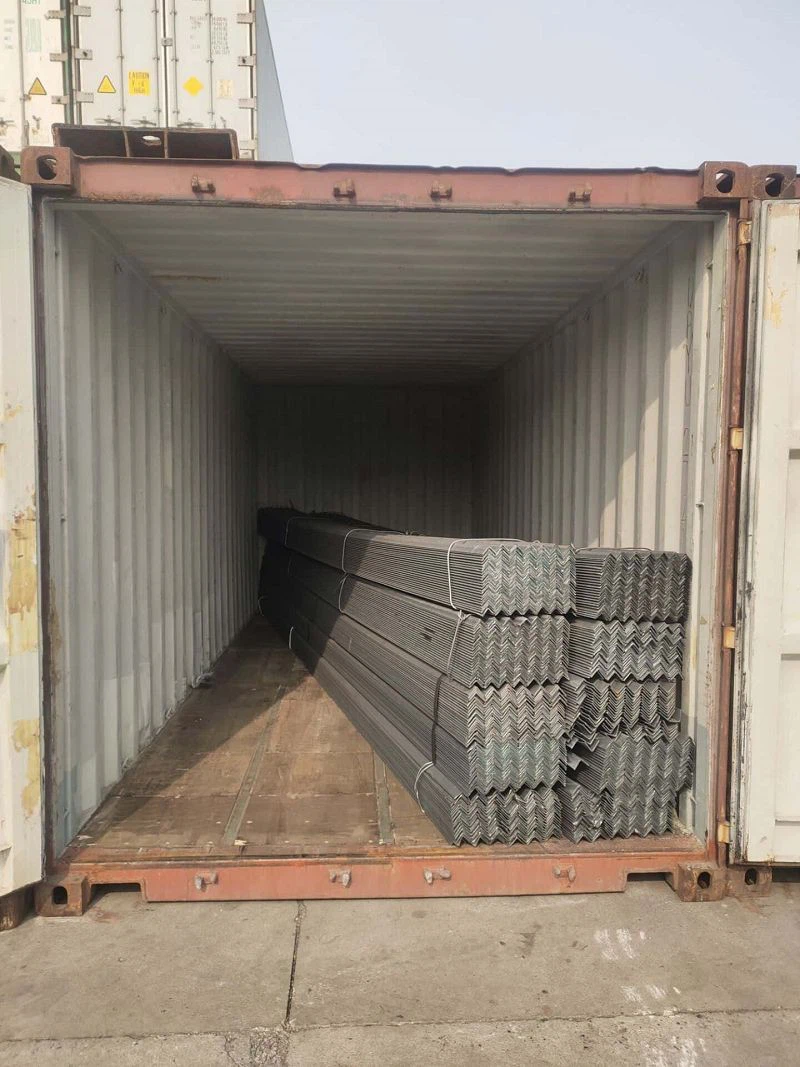
- Bending Machine: A hydraulic or mechanical bending machine is the most efficient way to bend angle iron. These machines are designed to apply a controlled amount of force to the angle iron, allowing for accurate bends.
- Measuring Tools: A tape measure, protractor, and square are essential for measuring and marking the angle iron before bending. These tools will help you ensure that the bend is at a perfect right angle.
- Clamps: Clamps are used to hold the angle iron in place during the bending process. This helps prevent the angle iron from shifting or moving, which could result in an inaccurate bend.
- Safety Gear: Always wear safety glasses, gloves, and a hard hat when working with angle iron. The bending process can generate sharp edges and flying debris, so it's important to protect yourself.
Preparing the Angle Iron
- Measure and Mark: Use a tape measure and a square to measure and mark the point where you want to make the bend on the angle iron. Make sure the marks are clear and accurate. You can use a scribe or a permanent marker for this purpose.
- Clean the Angle Iron: Remove any dirt, rust, or debris from the surface of the angle iron. A clean surface will ensure better contact with the bending machine and prevent any interference during the bending process. You can use a wire brush or a degreaser to clean the angle iron.
Bending the Angle Iron
- Set Up the Bending Machine: If you're using a hydraulic bending machine, adjust the pressure and the bending die according to the thickness and size of the angle iron. Make sure the machine is properly calibrated for a right - angle bend. If you're using a mechanical bending machine, position the angle iron in the appropriate bending slot and secure it with clamps.
- Position the Angle Iron: Place the marked point of the angle iron at the center of the bending die. Use clamps to hold the angle iron firmly in place, ensuring that it doesn't move during the bending process.
- Apply Force: Slowly apply force to the angle iron using the bending machine. For hydraulic machines, start the hydraulic pump and gradually increase the pressure until the angle iron starts to bend. For mechanical machines, use a lever or a crank to apply the necessary force.
- Check the Angle: As you're bending the angle iron, periodically check the angle using a protractor or a square. Make small adjustments as needed to ensure that the bend is at a perfect right angle.
Tips for Precision Bending
- Use a Backstop: A backstop can be used to ensure consistent bends. Place the backstop at the desired position on the bending machine, and use it as a reference point for each bend. This will help you achieve uniform bends across multiple pieces of angle iron.
- Make Multiple Small Bends: Instead of trying to make a single large bend, it's often better to make multiple small bends. This reduces the stress on the angle iron and allows for more precise control over the bending process.
- Heat the Angle Iron (if necessary): For thicker or harder angle iron, heating the metal can make it more malleable and easier to bend. Use a torch to heat the area where you want to make the bend to a dull red color. However, be careful not to overheat the angle iron, as this can weaken the metal.
Quality Control
After bending the angle iron, it's important to perform a quality check. Use a square or a protractor to verify that the bend is at a right angle. Check for any cracks, deformations, or unevenness in the bend. If the bend doesn't meet your specifications, you may need to adjust the bending process and try again.
Applications of Precise Angle Iron Bends
Precisely bent angle iron has a wide range of applications. In construction, it can be used for building frames, staircases, and support structures. In manufacturing, it can be used for machinery frames and enclosures. The accuracy of the bend is crucial for the proper functioning and safety of these structures.
Our Angle Iron Products
As an angle iron supplier, we offer a wide range of high - quality angle iron products, including Black Powder Coated Angle Iron. Our black powder - coated angle iron provides excellent corrosion resistance and a sleek, professional look. Whether you need small - scale or large - scale angle iron supplies, we can meet your requirements.
Contact Us for Procurement
If you're in the market for angle iron or have any questions about bending angle iron precisely, we'd love to hear from you. Our team of experts is ready to assist you with your procurement needs and provide you with technical support. Reach out to us to discuss your project requirements, and we'll work with you to find the best solutions.
References
- "Metalworking Handbook", Industrial Press Inc.
- "Structural Steel Design", McGraw - Hill Education