

Agricultural modernization is a global trend that has far - reaching implications across various industries. As a supplier of HR (Hot Rolled) coils, I have witnessed firsthand how the advancements in agricultural modernization can impact the consumption of HR coils. In this blog, I will explore the relationship between agricultural modernization and HR coil consumption, delving into the various aspects of this connection.
The Concept of Agricultural Modernization
Agricultural modernization refers to the process of transforming traditional agriculture into a more efficient, productive, and sustainable system. This involves the adoption of advanced technologies, such as precision farming, automation, and the use of high - tech equipment. These changes aim to increase crop yields, reduce labor costs, and improve the overall quality of agricultural products.

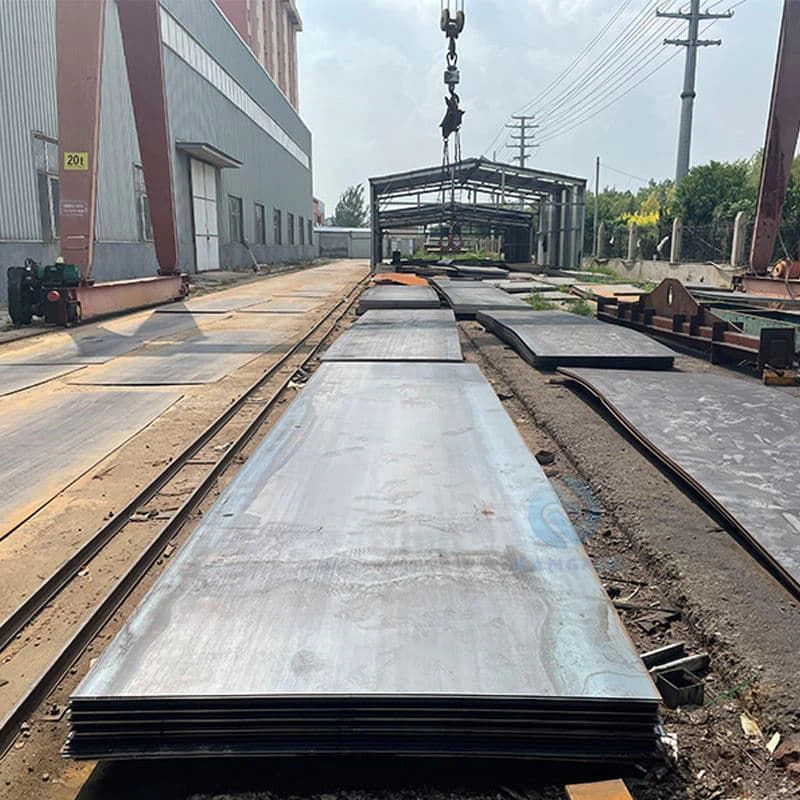
One of the key features of agricultural modernization is the use of machinery. Tractors, harvesters, irrigation systems, and other agricultural equipment play a crucial role in modern farming. These machines are often made from a variety of materials, with HR coils being an important component.
HR Coils in Agricultural Machinery
HR coils are widely used in the manufacturing of agricultural machinery due to their excellent mechanical properties. They have high strength, good ductility, and are relatively easy to form and weld. This makes them suitable for various parts of agricultural equipment, such as frames, bodies, and structural components.
For example, tractors are the workhorses of modern agriculture. The frames of tractors are typically made from HR coils. These frames need to be strong enough to withstand the heavy loads and vibrations during operation. The high - strength nature of HR coils ensures the durability and reliability of tractor frames. Similarly, harvesters also rely on HR coils for their structural components. The cutting and threshing parts of harvesters are often made from HR coils to ensure long - term use under harsh working conditions.
The link between agricultural modernization and HR coil consumption becomes evident when we consider the increasing demand for advanced agricultural machinery. As farmers around the world embrace modern farming techniques, the demand for high - quality agricultural equipment is on the rise. This, in turn, drives up the consumption of HR coils.
Impact on HR Coil Consumption
Increased Demand for Agricultural Machinery
As agricultural modernization progresses, there is a growing need for more and better - quality agricultural machinery. Developing countries, in particular, are investing heavily in modernizing their agricultural sectors. For instance, in Africa, many countries are promoting the use of mechanized farming to increase food production. This has led to a significant increase in the demand for tractors, harvesters, and other agricultural equipment, which directly boosts the consumption of HR coils.
In addition, the replacement cycle of agricultural machinery is getting shorter. With the rapid development of technology, farmers are more likely to upgrade their equipment to take advantage of the latest features and improvements. This also contributes to the continuous growth of HR coil consumption.
Technological Advancements in Agricultural Machinery
The development of new technologies in agricultural machinery also affects HR coil consumption. For example, the trend towards precision farming requires more sophisticated equipment. Drones, sensors, and automated irrigation systems are becoming increasingly popular in modern agriculture. These high - tech devices often require specialized components made from HR coils.
Moreover, the design of agricultural machinery is also evolving. Manufacturers are constantly looking for ways to make their products lighter, stronger, and more energy - efficient. HR coils, with their excellent mechanical properties, are well - suited to meet these requirements. As a result, the use of HR coils in the production of advanced agricultural machinery is expected to increase further.
Infrastructure Development in Rural Areas
Agricultural modernization also involves the development of rural infrastructure. This includes the construction of roads, storage facilities, and irrigation systems. HR coils are used in the construction of these infrastructure projects. For example, steel structures made from HR coils are commonly used in the construction of grain storage silos. These silos need to be strong and durable to protect the stored grains from various environmental factors.
The improvement of rural infrastructure not only supports the development of modern agriculture but also creates additional demand for HR coils. As more rural areas are being developed and modernized, the consumption of HR coils in infrastructure projects is likely to grow.
Case Studies
Let's take a look at some real - world examples to illustrate the impact of agricultural modernization on HR coil consumption.
In Brazil, one of the world's largest agricultural producers, the government has been actively promoting agricultural modernization. The country has seen a significant increase in the use of agricultural machinery in recent years. As a result, the demand for HR coils used in the manufacturing of tractors, harvesters, and other equipment has grown substantially. Brazilian manufacturers are constantly looking for high - quality HR coils to meet the needs of their customers.
In China, the government has also been investing heavily in agricultural modernization. The development of precision farming and the construction of rural infrastructure have led to a surge in the demand for HR coils. Chinese farmers are increasingly using advanced agricultural machinery, and the construction of large - scale irrigation systems and storage facilities has created a large market for HR coils.
Challenges and Opportunities
While agricultural modernization presents opportunities for HR coil suppliers, there are also some challenges. One of the challenges is the competition in the market. As the demand for HR coils in the agricultural sector grows, more suppliers are entering the market. This means that suppliers need to differentiate themselves by offering high - quality products, competitive prices, and excellent customer service.
Another challenge is the fluctuation of raw material prices. HR coils are made from steel, and the price of steel is subject to market fluctuations. Suppliers need to manage their costs effectively to ensure profitability.
However, there are also many opportunities. The continuous growth of the agricultural sector and the increasing demand for modern agricultural machinery provide a stable market for HR coil suppliers. By investing in research and development, suppliers can develop new products that meet the specific needs of the agricultural industry. For example, developing HR coils with better corrosion resistance can extend the lifespan of agricultural equipment.
Conclusion
In conclusion, agricultural modernization has a significant impact on the consumption of HR coils. The increasing demand for agricultural machinery, technological advancements in the industry, and the development of rural infrastructure all contribute to the growth of HR coil consumption. As a supplier of HR coils, I am well - positioned to benefit from these trends.
If you are in the market for high - quality Hr Coil Plate or Hot Rolled Carbon Steel Coil, I invite you to contact me for more information. We offer a wide range of HR coils that are suitable for various applications in the agricultural industry. Whether you are a manufacturer of agricultural machinery or involved in rural infrastructure projects, we can provide you with the right products at competitive prices.
References
- World Bank. (2020). World Development Report 2020: Trading for Development in the Age of Global Value Chains.
- Food and Agriculture Organization of the United Nations. (2019). The State of Food and Agriculture 2019: Moving Forward on Food Security and Nutrition.
- International Steel Association. (2021). World Steel in Figures 2021.