

In the intricate world of medical equipment manufacturing, the choice of materials is a critical decision that can significantly impact the performance, safety, and longevity of the devices. One material that often comes into consideration is the flat bar. As a flat bar supplier, I've had numerous discussions with medical equipment manufacturers about the feasibility and advantages of using flat bars in their products. In this blog post, I'll delve into the question: Can flat bars be used in medical equipment?
Understanding Flat Bars
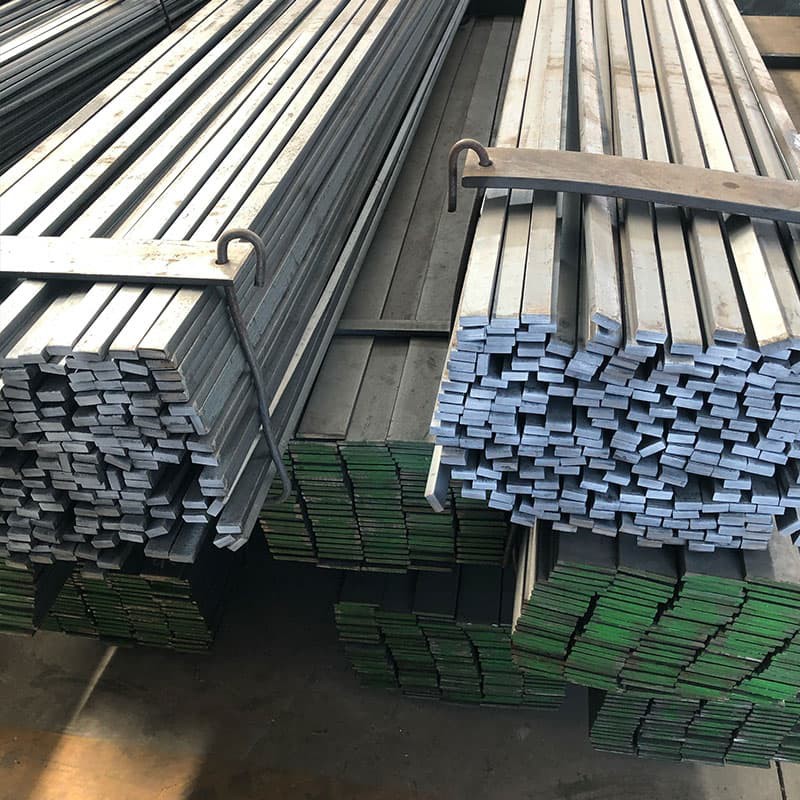
Before we explore their application in medical equipment, let's first understand what flat bars are. Flat bars are rectangular-shaped metal bars with a flat surface. They come in various materials, including stainless steel, aluminum, and carbon steel. Cold Rolled Steel Flat Bar is a popular type, known for its smooth surface finish, precise dimensions, and enhanced mechanical properties. Cold rolling involves passing the steel through rollers at room temperature, which results in a more uniform and stronger product compared to hot-rolled steel.
Advantages of Using Flat Bars in Medical Equipment
1. Structural Integrity
Medical equipment often needs to support significant loads and withstand repeated use. Flat bars, especially those made from high-quality materials like stainless steel, offer excellent structural integrity. They can be used to create frames, supports, and brackets that provide stability and durability to the equipment. For example, in surgical tables, flat bars can be used to construct the frame that supports the patient's weight during procedures. The strength and rigidity of the flat bars ensure that the table remains stable and safe for use.
2. Precision and Customization
Flat bars can be easily machined and fabricated to meet the specific requirements of medical equipment. They can be cut, bent, drilled, and welded to create complex shapes and components. This allows medical equipment manufacturers to customize the design of their products and ensure a perfect fit for their intended applications. For instance, in imaging equipment such as MRI machines, flat bars can be fabricated into precise shapes to support the delicate components and ensure accurate positioning of the patient.
3. Corrosion Resistance
Many medical environments are exposed to moisture, chemicals, and disinfectants, which can cause corrosion and damage to equipment. Stainless steel flat bars are highly resistant to corrosion, making them an ideal choice for medical equipment. They can withstand the harsh conditions of medical facilities and maintain their integrity over time. This not only extends the lifespan of the equipment but also reduces the risk of contamination and infection.
4. Hygiene
Maintaining a high level of hygiene is crucial in medical settings. Flat bars with smooth surfaces are easy to clean and disinfect, which helps prevent the growth of bacteria and other pathogens. This is particularly important in equipment that comes into direct contact with patients, such as examination tables and surgical instruments.
Applications of Flat Bars in Medical Equipment
1. Surgical Instruments
Flat bars can be used to manufacture a variety of surgical instruments, such as forceps, scissors, and retractors. The high strength and precision of the flat bars allow for the creation of sharp and durable cutting edges, as well as ergonomic handles that provide a comfortable grip for surgeons.
2. Hospital Furniture
In hospital furniture, flat bars are used to construct frames for beds, chairs, and cabinets. The structural integrity of the flat bars ensures that the furniture can support the weight of patients and withstand daily use. Additionally, the corrosion resistance of stainless steel flat bars makes them suitable for use in wet areas such as bathrooms and shower rooms.
3. Diagnostic Equipment
Diagnostic equipment, such as X-ray machines and ultrasound scanners, often requires precise components to ensure accurate imaging. Flat bars can be used to create supports and frames for the delicate electronic components, as well as to provide stability and alignment for the imaging sensors.
4. Mobility Aids
Flat bars are also used in the manufacturing of mobility aids, such as wheelchairs and walkers. The strength and lightweight nature of aluminum flat bars make them an ideal choice for these applications, as they provide support while allowing for easy maneuverability.
Challenges and Considerations
While flat bars offer many advantages for medical equipment, there are also some challenges and considerations that need to be addressed.
1. Material Selection
Choosing the right material for flat bars is crucial, as different materials have different properties and characteristics. For example, stainless steel is a popular choice due to its corrosion resistance and strength, but it can be more expensive than other materials. Aluminum, on the other hand, is lightweight and easy to machine, but it may not be as strong as stainless steel. Medical equipment manufacturers need to carefully evaluate their requirements and choose the material that best suits their needs.
2. Regulatory Compliance
Medical equipment is subject to strict regulatory requirements to ensure patient safety. Flat bars used in medical equipment must comply with relevant standards and regulations, such as the ISO 13485 medical device quality management system standard. Manufacturers need to ensure that the flat bars they use are sourced from reliable suppliers who can provide documentation and certification of compliance.
3. Surface Finish
The surface finish of flat bars can affect the performance and hygiene of medical equipment. A smooth surface finish is preferred to prevent the accumulation of dirt and bacteria. However, achieving a smooth surface finish can be challenging, especially for complex shapes and components. Manufacturers need to work with suppliers who have the expertise and equipment to provide high-quality surface finishes.

Conclusion
In conclusion, flat bars can be effectively used in medical equipment due to their structural integrity, precision, corrosion resistance, and hygiene properties. They offer a wide range of applications in surgical instruments, hospital furniture, diagnostic equipment, and mobility aids. However, medical equipment manufacturers need to carefully consider the material selection, regulatory compliance, and surface finish when using flat bars. As a flat bar supplier, I am committed to providing high-quality products and technical support to help medical equipment manufacturers meet their specific requirements. If you are interested in using flat bars in your medical equipment, I encourage you to contact me to discuss your needs and explore the possibilities.
References
- ISO 13485:2016, Medical devices — Quality management systems — Requirements for regulatory purposes.
- ASME B46.1, Surface Texture (Surface Roughness, Waviness, and Lay).
- ASTM A240/A240M, Standard Specification for Chromium and Chromium-Nickel Stainless Steel Plate, Sheet, and Strip for Pressure Vessels and for General Applications.